.png)
The heartbeat of genetic gain within Australasia’s forestry – Radiata Pine Breeding Company Limited (RPBC) – has invested in more land to future-proof its work.
RPBC is New Zealand’s sole radiata pine breeding company. It forms an integral part of the forestry supply chain, benefiting growers, seed producers, and processors across 16 shareholders that collectively own and manage 1.6 million hectares in New Zealand, and east and south-eastern Australia.
RPBC’s primary function is to select and breed top-performing trees to produce better, faster-growing, and more resilient germplasm*. In addition to breeding elite trees the RPBC also invests in collaborative research in emerging areas like drought tolerance – freely sharing its work and knowledge for the benefit of the Australasian forestry sector.
Since forming in 2002, RPBC has routinely achieved vital industry breakthroughs, including recently investing several million dollars in partnership with shareholders and the Bio economy Science Institute (Scion) to develop the first Pinus Radiata SNP chip [single Nucleotide Polymorphism chip] for genotyping. It has the potential to dramatically improve radiata pine plant breeding outcomes – allowing parental verification and enabling early selection and screening for desirable traits.
Until this year, RPBC completed its tree breeding and archiving work on six hectares – minutes from Amberley in North Canterbury.
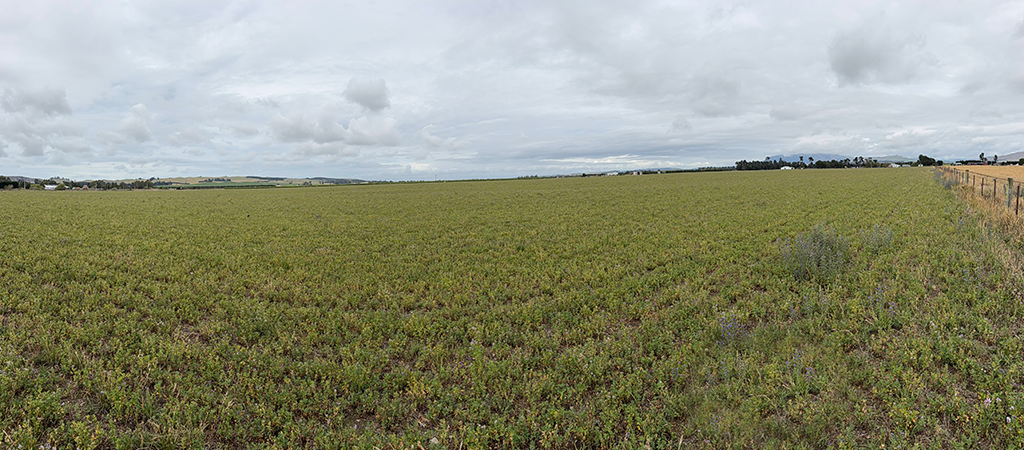
RPBC recently bought an additional 23 hectares of bare, flat land just 800m from its current orchard. This allows RPBC to increase its current number of 9000 individual trees (500-600 genotypes) to (over time) 34,000 trees. In due course, the existing six-hectare site will be sold.
The key driver for the investment is to increase the deployment of genetic gain from the breeding programme into the production forest.
RPBC’s Tree Improvement Manager Mark Paget said it was time for RPBC to take the next step. He said the land is ideal for radiata pine – being on the East Coast – which is recognised as a good flowering site.
“It also really de-risks the seed orchard businesses in terms of introducing new material into the deployment forest,” Mark said.
“We’re trying to facilitate and to push better genetics and faster deployment for seed producers so they can introduce our new genetic material into seed production orchards at the pace – and, at the quantities they need.
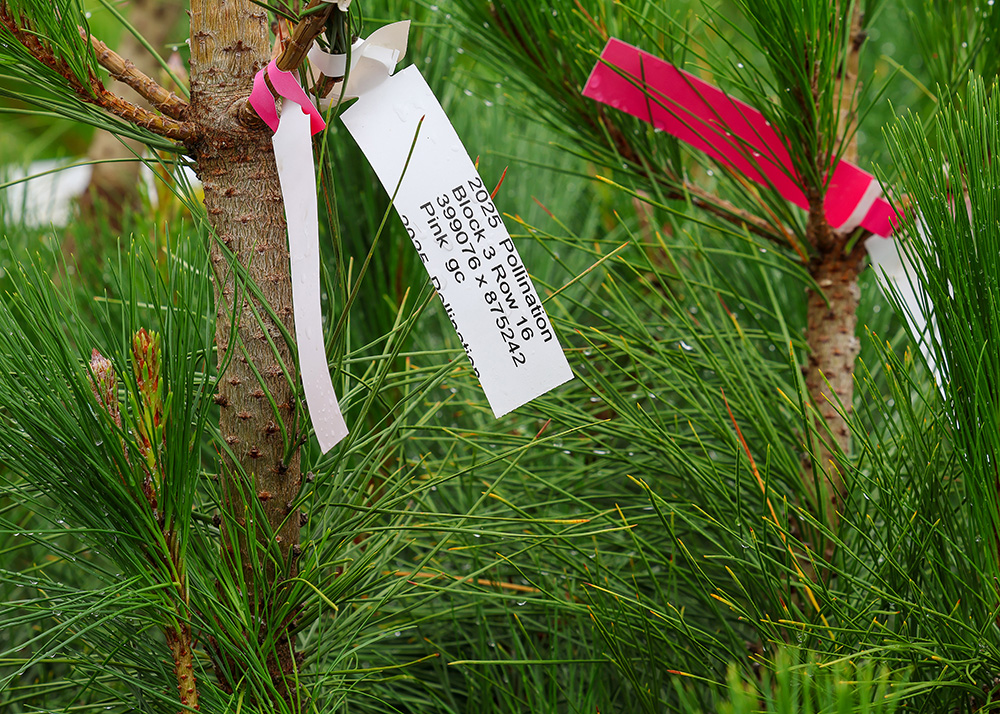
RPBC Chair Ross Dickson said the investment was an important step in maximising genetic gain, addressing risks and reducing the ‘lag’ in deploying improved genetic material.
NZ seed producers have supported the move. That group includes Proseed. Its Operational Manager, Shaf van Ballekom, said the supply bottleneck of elite genetics from RPBC had become a concern.
“The seed producers’ challenge in recent years has been the availability of scions* from new selections that we can source, graft, and put into our orchard,” Shaf said.
“When I've got a new selection from the RPBC in recent years, there might have only been a small number of potential ramets*. Well, I need thousands in order to make good enough seed.
“So, this land is part of the process to speed up genetic gain in the RPBC’s member forests. We’re pleased that it will soon be providing us with a source of scion and pollen for commercial orchards.”
RPBC’s General Manager, Darrell O’Brien, said it’s gratifying to have secured the additional land to enhance the deployment of genetic gain. He said the land parcel was bigger than they had originally planned for, future-proofing opportunities to further enhance the RPBC’s breeding programme.
“The only time value is achieved from genetic gain is when it's deployed in the forest,”Darrell said. “So, it was essential that RPBC came up with a tangible solution to facilitate the rate of genetic gain deployment.
“We’ll be running with our six-hectare orchard and the new one side-by-side in parallel for a few years. And, during that period the availability of the material will start to increase.”
He says RPBC’s sustained momentum within its breeding programme meant it was “no accident” that radiata pine population genetics is constantly improving.
"We just needed to deploy elite germplasm faster, and now we are another important step closer to achieving that.
"These great trees - the mainstay of productin forestry - deserve every opportunity to further improve genetics for both yield and tolerance to a changing ciimate."
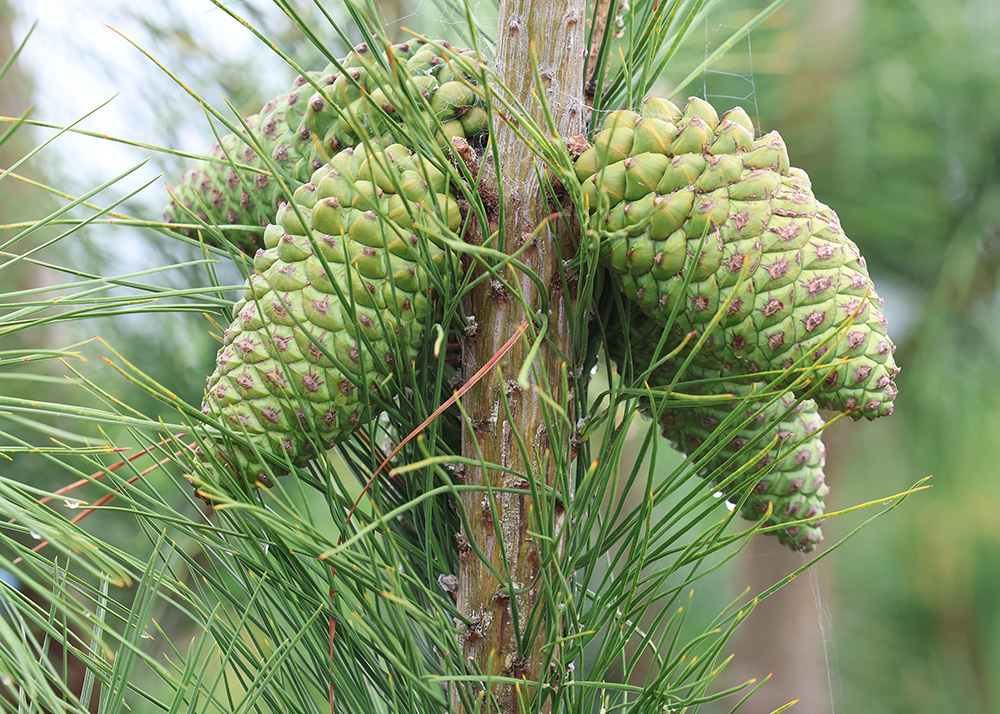
*Germplasm – Living genetic material like seeds, pollen,tissues, or cells which carry hereditary information, used in breeding, conservation, and research to improve genetics.
*Scion – Youngshoot or twig of a plant, especially one cut for grafting or rooting.
*Ramet – An individual member of a clone, defined as a physically distinct, often self-sustaining organism produced through asexual or vegetative reproduction.
We breed elite genetic material, and provide knowledge, support and tools to continuously improve profitability for Australasian radiata pine forest owners.
RPBC is New Zealand's only specialist radiata pine breeding company, and occupies a central position in the forest industry breeding supply chain.

Physical Address:
RPBC
L2, School of Forestry
Forestry Road
University of Canterbury
Ilam
Mail Address:
RPBC
c/o School of Forestry
University of Canterbury
Private Bag 4800
Christchurch 8140
Parcel / Courier Address:
RPBC
c/o School of Forestry
University of Canterbury
20 Kirkwood Avenue
Christchurch 8041
© 2026 RPBC | DESIGNED BY LITTLE BIRD MEDIA