.png)
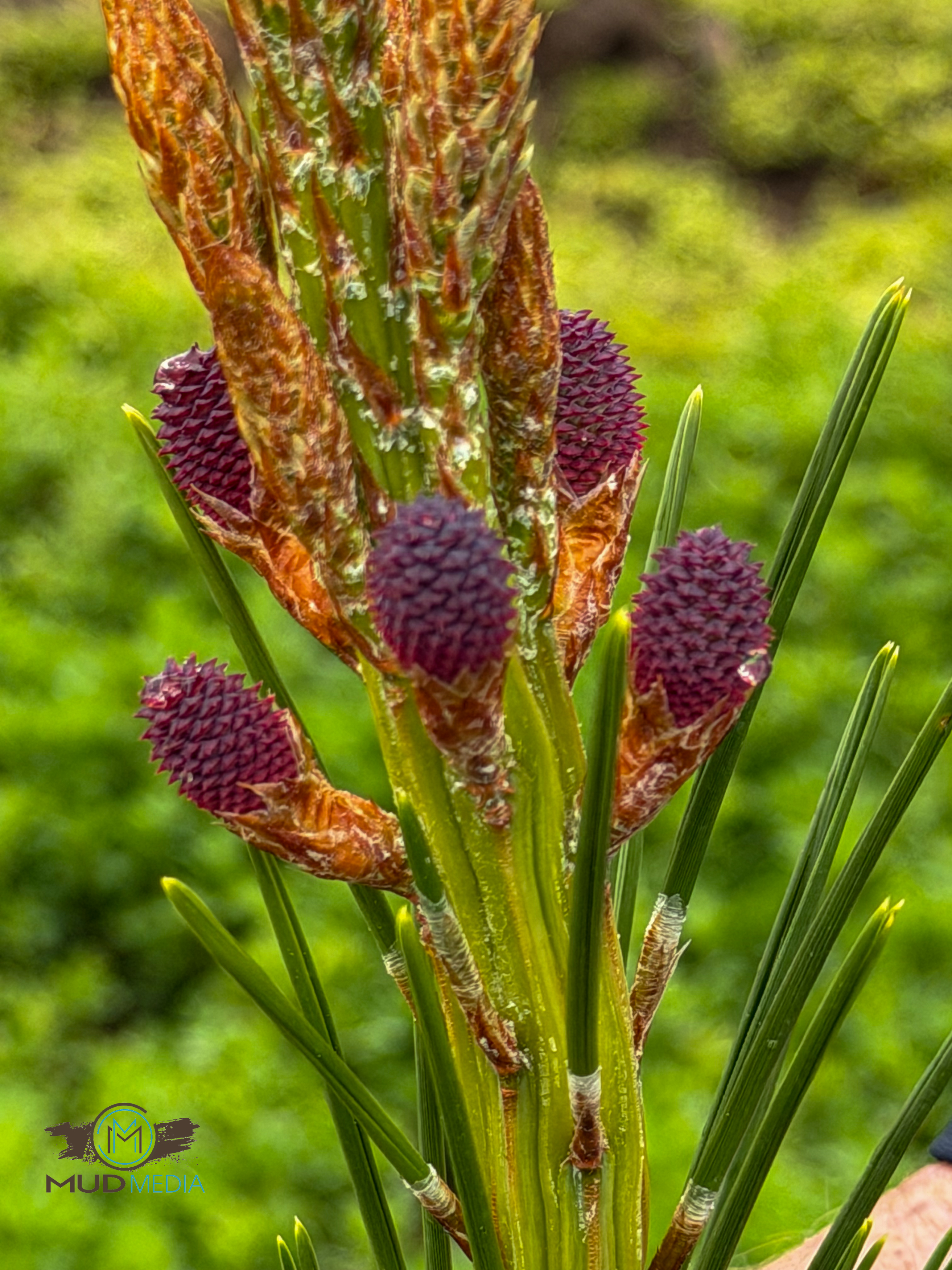
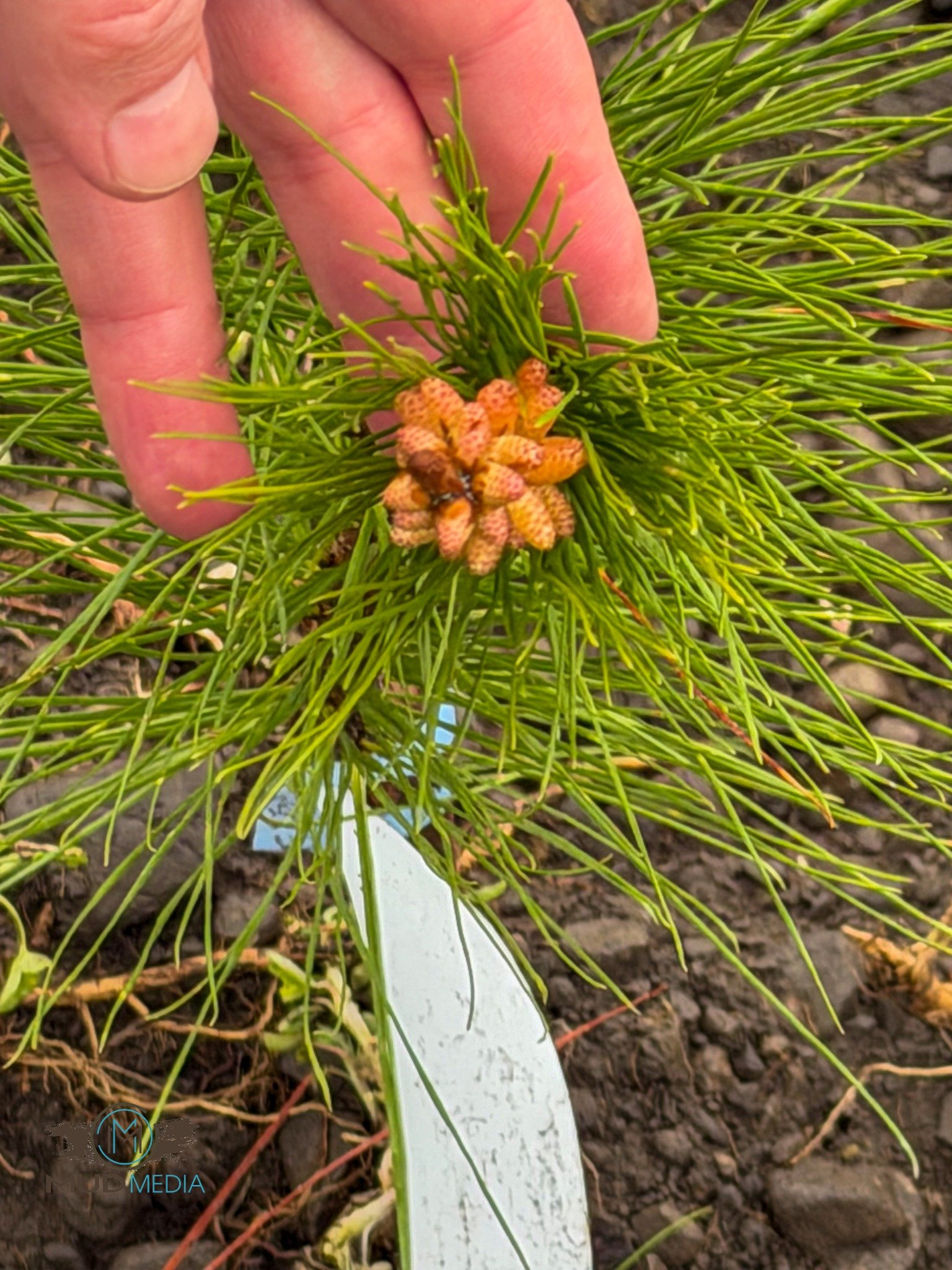
The female flowers that become cones after pollination, will grow and nurture the seeds for the next generation of trees for plantation.
AMBERLEY, September 1 – A new radiata pine breeding seed orchard in North Canterbury has moved from promise to delivery – giving shareholders a clear path to faster deployment of elite genetics across Australasian production forests.
Earlier in 2026, Radiata Pine Breeding Company Limited (RPBC) invested in 23 additional hectares near Amberley to address the time constraints involved with the industry’s access to improved pollen and scion material.
As New Zealand’s only specialist radiata pine breeding company, RPBC sits at a critical point in the forestry value supply chain. Its work supports growers, seed producers and processors through 16 shareholders that collectively own or manage 1.6 million hectares of commercial forestry plantations, across New Zealand and eastern and south-eastern Australia.
The new property will transform RPBC’s operating scale. Its breeding and archiving programme used to cover six hectares at Amberley, holding about 9,000 individual trees across 500–600 genotypes. The new orchard (overtime) will lift that capacity to 34,000 trees with the added security of irrigation. In due course, its former six-hectare site will be sold.
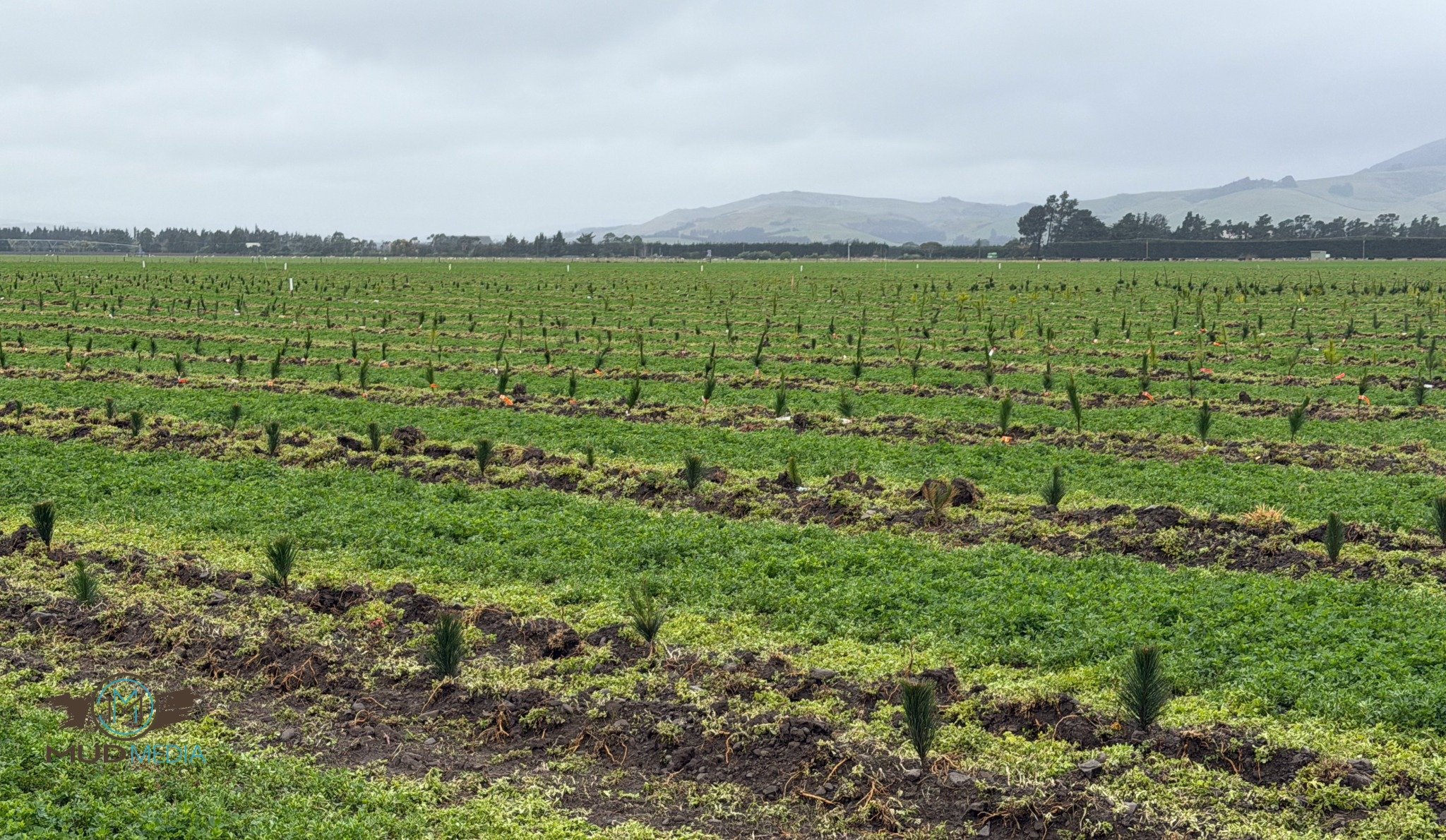
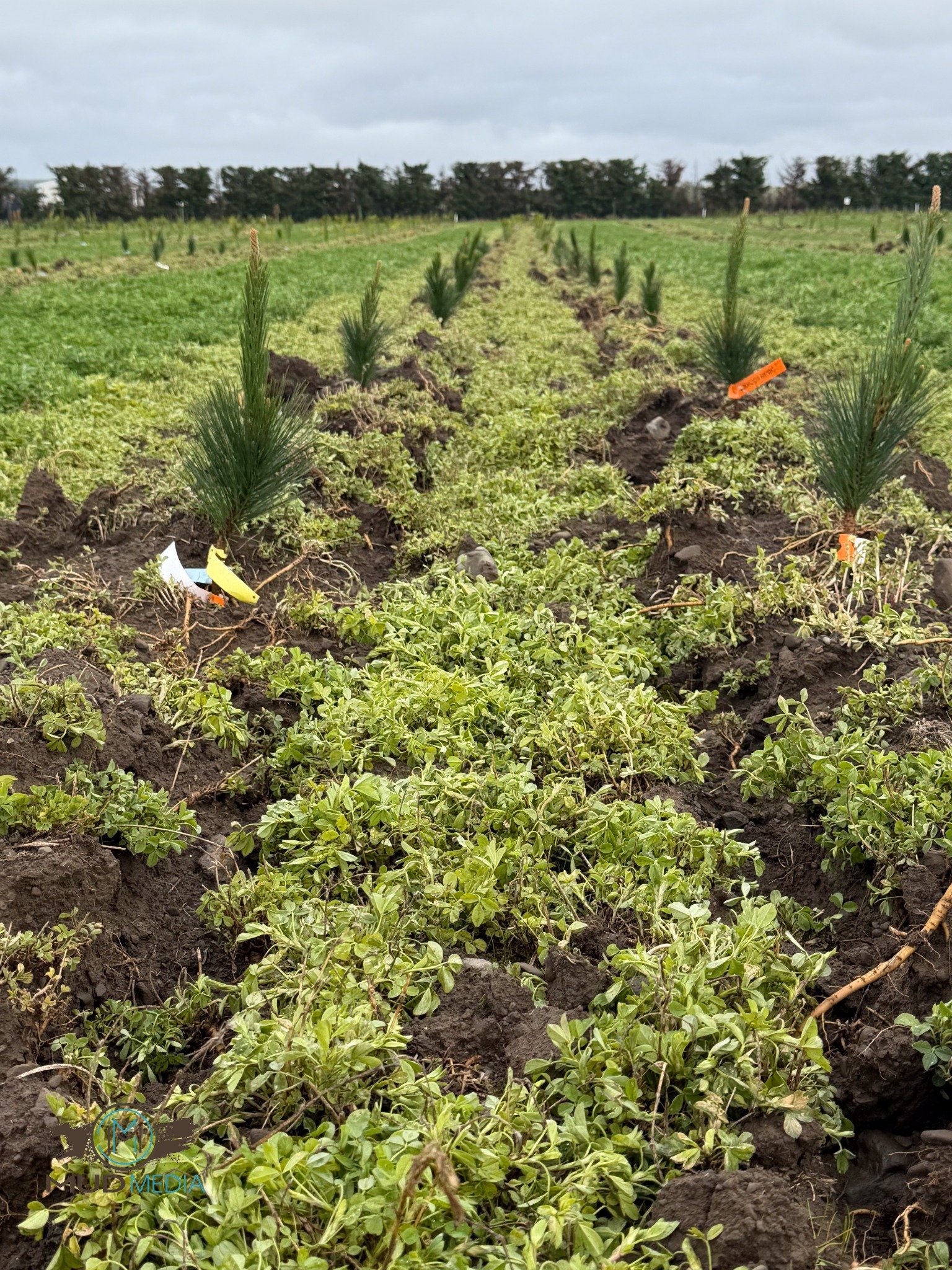
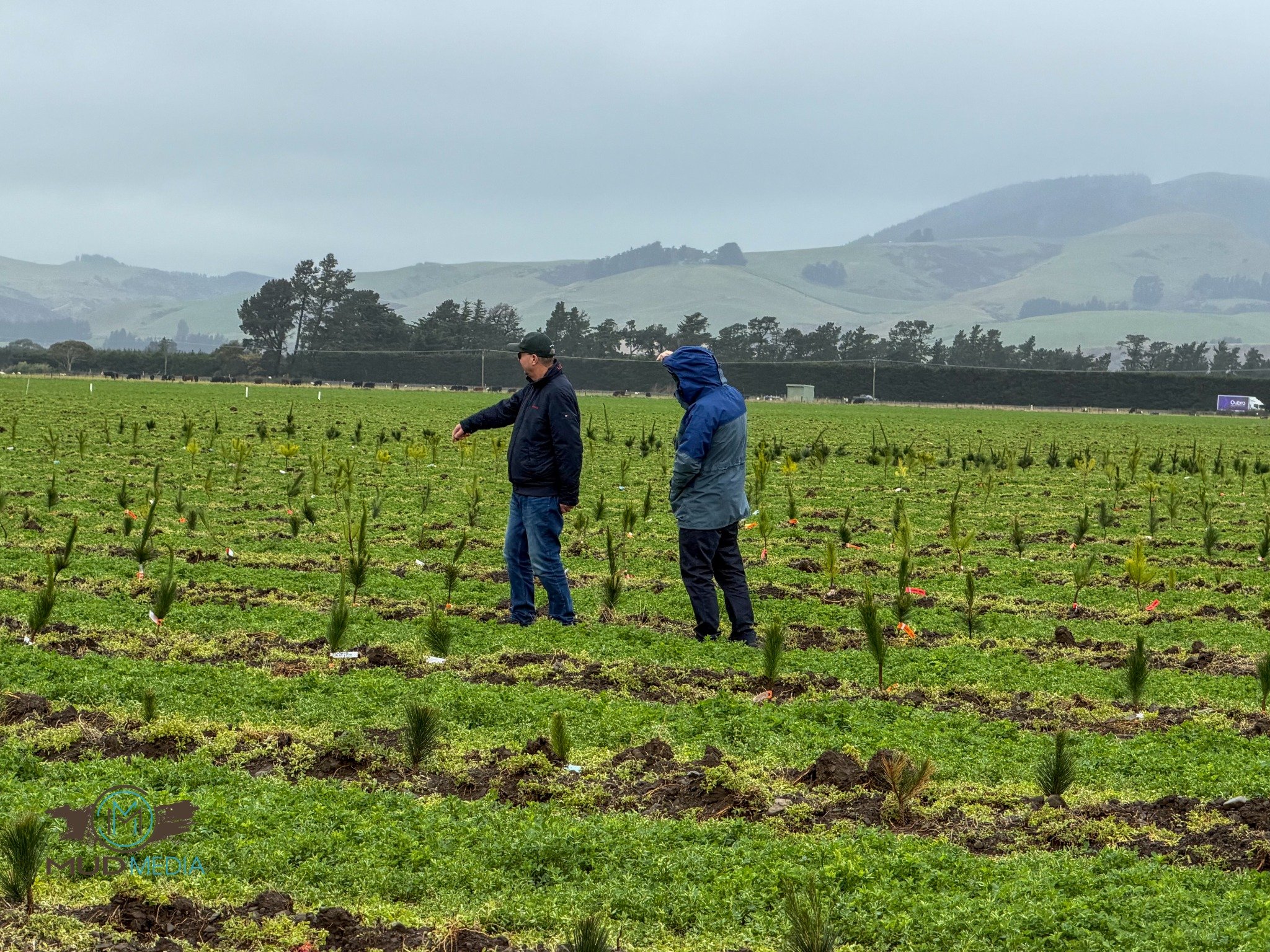
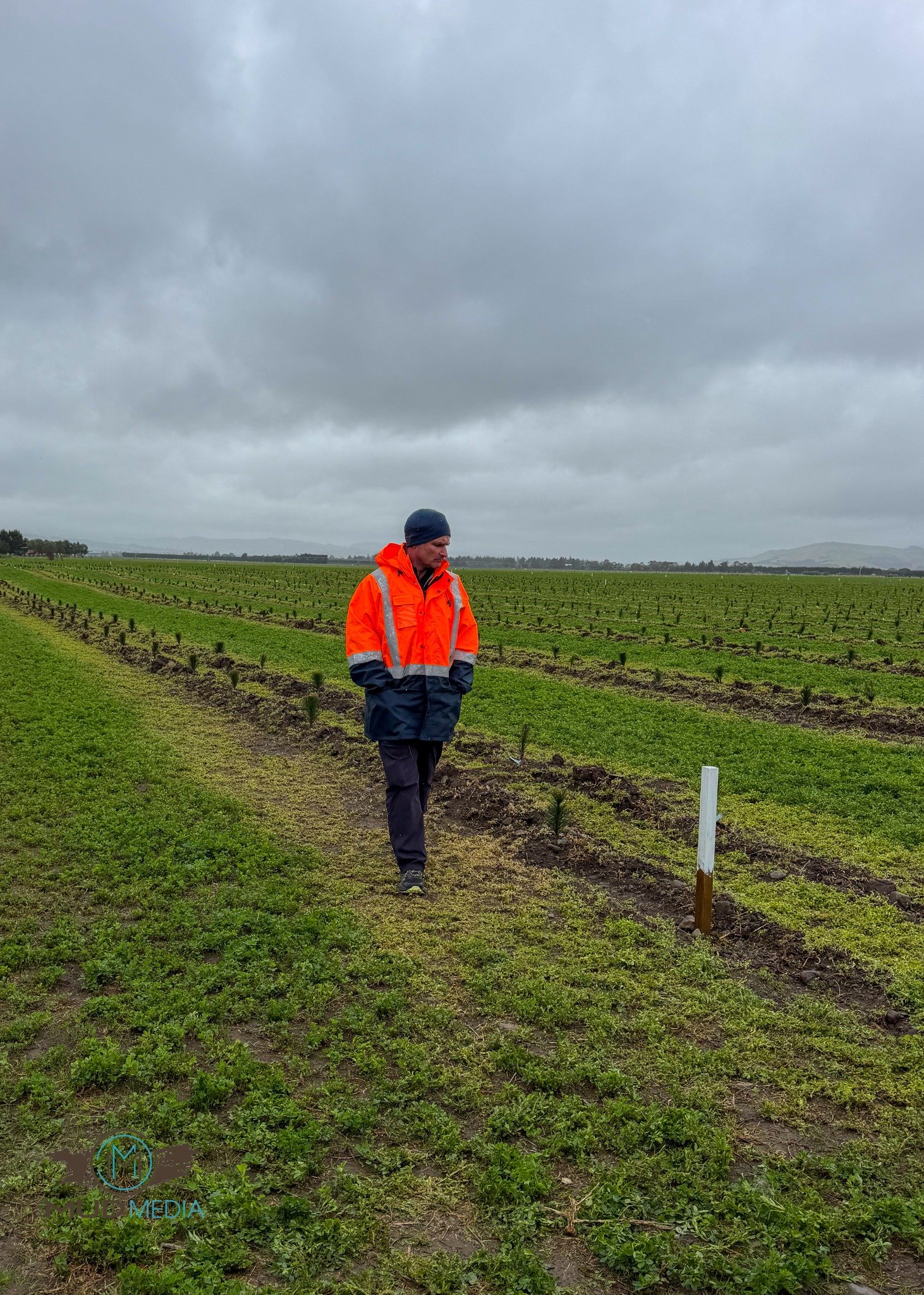
The first two hectares at the new property have been planted with 1625 grafted scions which include approximately 250 genotypes. RPBC’s board – together with RPBC’s management team – inspected the site late in August.
RPBC Chairman Ross Dickson (Forestry Corporation of NSW) who travelled from Sydney, said the strong establishment of the scions was another important step in RPBC’s bigger picture.
He confirmed that the key driver for the investment is to increase the deployment of genetic gain from the breeding programme into production forests at a commercial scale.
“We are already seeing early flower and pollen production from the grafts,” Dickson said. “That was expected given Amberley’s environment, soil type and the performance of other seed orchards in the area – but seeing it this early – is a powerful indication that the site is right.
“It means for both the shareholders and other stakeholders that RPBC is well on the way to accelerating the production of genetically improved material with the additional scale of this new property. Bearing in mind we only realise the value of superior genetics when they are deployed.”
RPBC plans to plant as much as possible, depending on planting availability through 2027. The plantings are being staggered – under the supervision or RPBC’s Breeding Orchard and Field Trials Manager Will Stout – to take advantage of emerging superior genotypes. A mixed-age planting plan also allows for a steady and diverse stream of pollen and cones for industry.
Dickson said the investment – along with genomic selection – will ultimately maximise genetic gain, reduce operational risk and cut the time lag between breeding advances and their deployment into forests.
“It will be a vehicle for unlocking the important genetics we have in RPBC’s pantry and within three to five years, we expect the August 2026 plantings to be producing increased volumes of pollen and scion material for seed orchards.”
He added that there is much to celebrate within the move as RPBC’s strong scientific work can now be effectively transformed into practical progress.
“This is the step from the lab bench into the forest,” Dickson said. “Scaling up the new orchard will tackle the shortage of pollen and scion material faced by large seed-orchard producers, and accelerate the flow of improved genetics into commercial plantations.
“We are excited about what this means for RPBC’s important work.”
We breed elite genetic material, and provide knowledge, support and tools to continuously improve profitability for Australasian radiata pine forest owners.
RPBC is New Zealand's only specialist radiata pine breeding company, and occupies a central position in the forest industry breeding supply chain.

Physical Address:
RPBC
L2, School of Forestry
Forestry Road
University of Canterbury
Ilam
Mail Address:
RPBC
c/o School of Forestry
University of Canterbury
Private Bag 4800
Christchurch 8140
Parcel / Courier Address:
RPBC
c/o School of Forestry
University of Canterbury
20 Kirkwood Avenue
Christchurch 8041
© 2026 RPBC | DESIGNED BY LITTLE BIRD MEDIA